Construction
Warehouse Construction Made Easy in Bangalore
Bengaluru’s warehouse demand jumped 65% in 2025 and tenants want Grade A space. How construction is getting faster, and where projects still get stuck.
PayPerSqft team7 min read
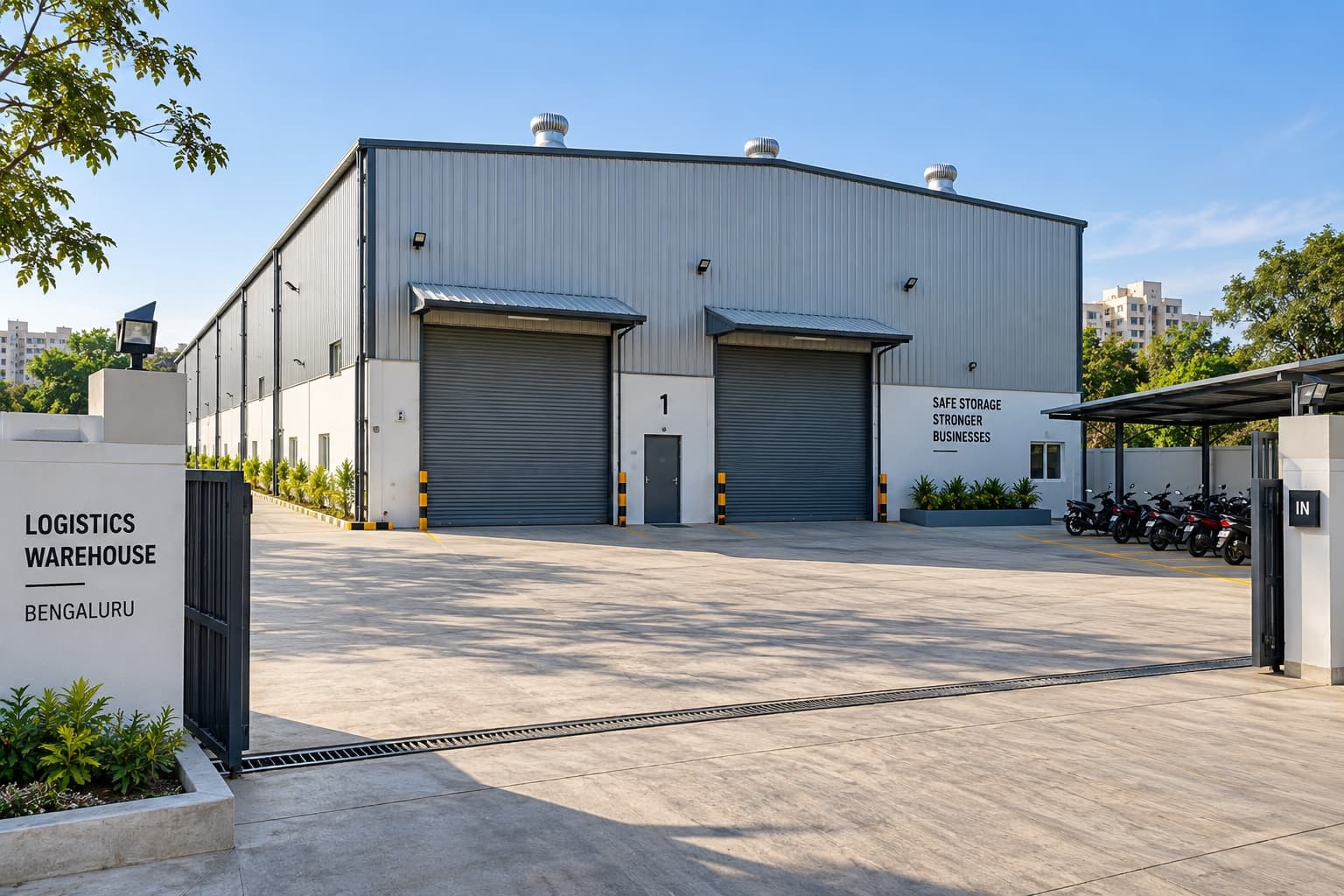
For years, building a warehouse in Bangalore had a familiar storyline: a landowner hires a civil contractor, then a separate steel fabricator, then someone for the flooring and someone else for the toilets — and the handover date slips by months while costs creep up. That model is giving way to something simpler, and the reason is the market itself. Tenants are asking for better buildings, and they want them sooner.
In short
- Bengaluru absorbed 9.1 million sq ft of warehousing in 2025, up 65% on the year, according to JLL.
- Grade A space made up about 73% of demand, and Grade A vacancy was just 3.9% — tenants want quality and there isn’t much of it.
- Pre-engineered structures and single-team, turnkey builds have cut timelines from months to weeks for standard warehouses.
- Most delays still happen before construction starts: land use, plan approval, access and power.
A market that wants better buildings, faster
JLL's figures for 2025 show how quickly demand has moved. Net absorption in Bengaluru reached 9.1 million sq ft, up 65% year on year. New supply was 9.5 million sq ft, about three-quarters of it Grade A. Even so, Grade A vacancy stood at only 3.9% and rents rose 4.6%. JLL expects the city's total warehousing stock to pass 80 million sq ft in 2026.
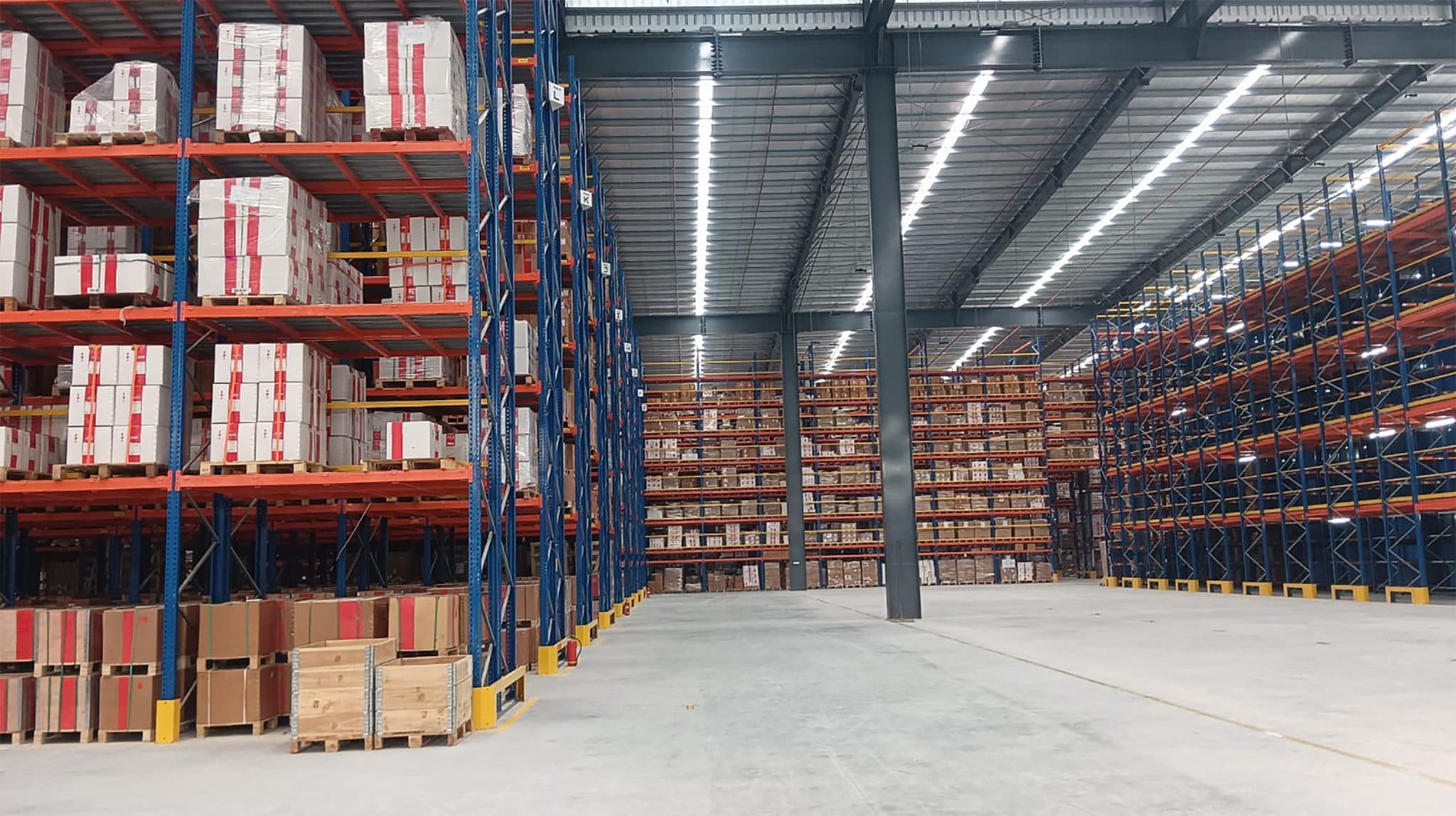
The tenants driving this — e-commerce and retail (more than 30% of demand), engineering firms and 3PL operators — are specific about what they lease. They plan racking around clear height and the column grid, expect dust-free floors that hold up to forklifts, and need power, toilets and truck access that work from the first day.
Where the demand is going
The Hoskote–Devanahalli cluster took the largest share of Bengaluru's warehouse leasing in 2025, helped by its access to the airport and the city, with Hosur Road also strong. Closer in, quick commerce has created demand for a different kind of building altogether: smaller, ground-floor dark stores inside residential areas, with wide shutters, rider parking and backup power. More on that in why dark store demand keeps growing.
Why construction is getting simpler
Pre-engineered structures
Much of a modern warehouse — the steel frame, roof and wall cladding — can be fabricated off-site and bolted together on site. That shortens the slowest part of the build and makes quality more predictable than a structure built entirely by hand on site.
One team instead of five
The bigger change is contractual. In a turnkey build, one team is responsible for the foundation, structure, flooring, toilets and utilities, against one written specification and one price. The landowner stops being the person coordinating five contractors — which is where most delays and cost overruns used to come from.
Standard specifications
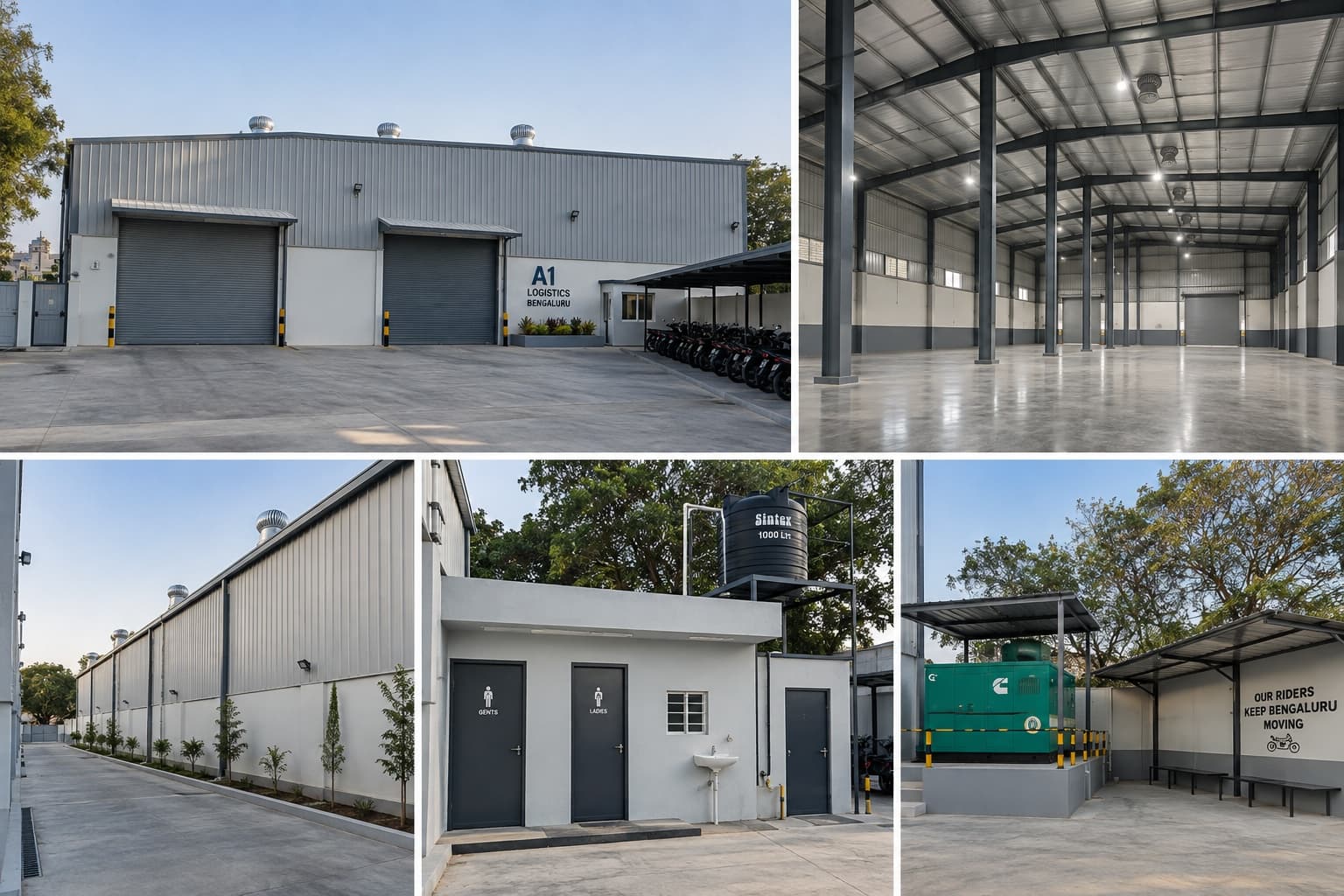
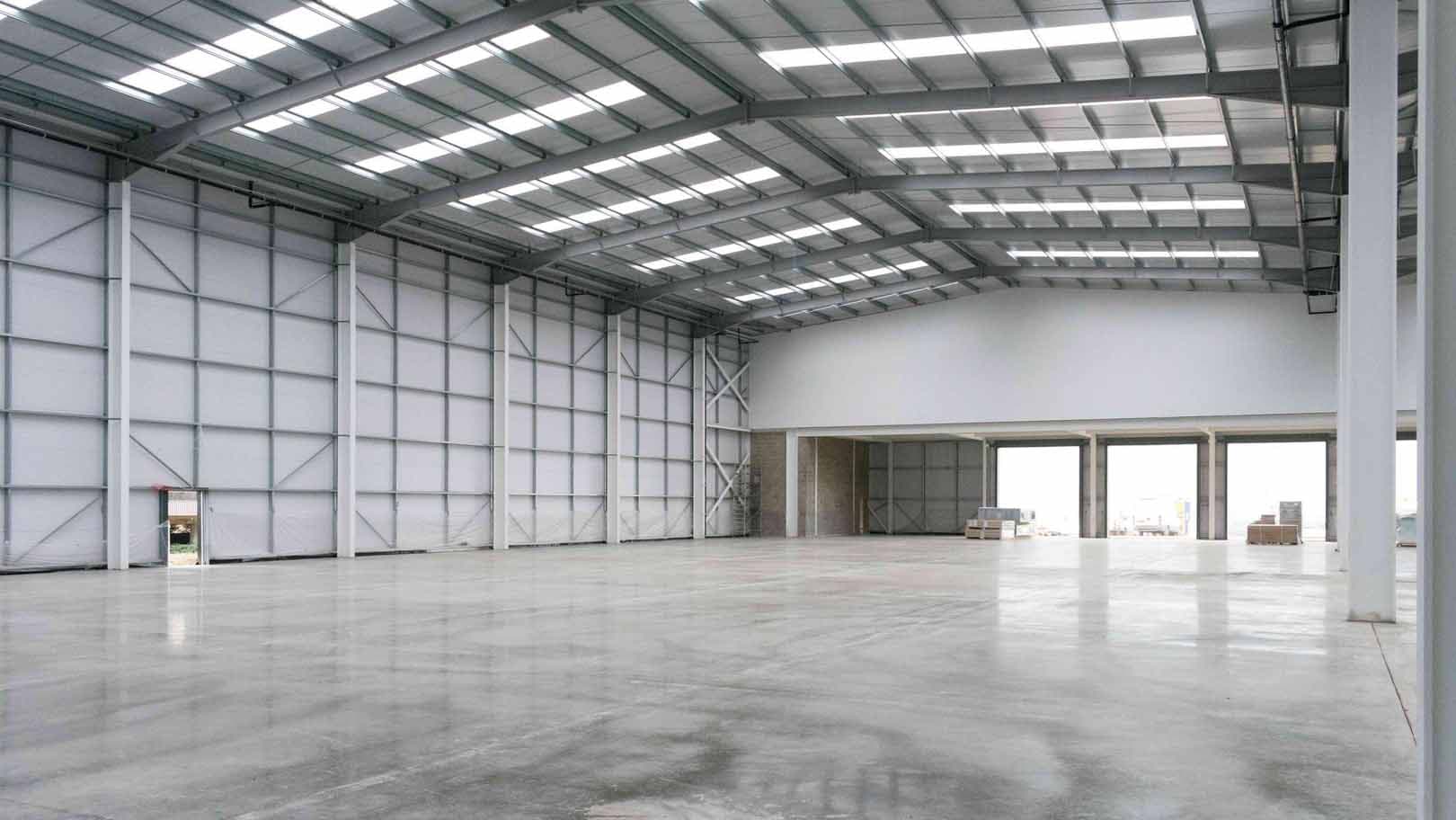
Tenants' requirements have converged enough that a standard warehouse shell — clear height in the region of 20 ft, insulated roofing with ventilation, rolling shutters, VDF or PU flooring, a toilet block and a DG platform — suits a wide range of users. Agreeing that specification up front is what makes a fixed price and a fixed schedule possible.
Where projects still get stuck
Faster construction doesn't help if the groundwork isn't ready. The usual sticking points:
- Land title and land use. The land needs a clear title and approval for commercial or industrial use. Agricultural land usually needs conversion first, which takes time.
- Plan approval. Setbacks and permitted height from the local authority shape the layout, so they're worth confirming before design starts.
- Access. A narrow approach road limits which tenants can use the warehouse later, however good the building is.
- Power. The electricity connection is often the longest lead item. Applying early avoids a finished building that can't operate.
- Water and drainage. Knowing where water comes from and where drainage goes — municipal line or earth pit — avoids late redesigns.
What a realistic timeline looks like
For a standard warehouse of up to around 10,000 sq ft, with approvals and utilities in place, a turnkey build typically runs in five phases: site mobilisation and layout; foundation, plinth and columns; structure, roofing and walls; flooring, toilets and utilities; and finishing and handover. Done by one team against a fixed specification, that can be completed in roughly 30 to 45 days.
Build with the tenant in mind
Many landowners build to lease rather than to use. In a market where Grade A space is scarce, the buildings that lease fastest are the ones designed for how tenants actually operate — and the best time to find the tenant is while the walls are going up, not after handover. A tenant lined up early can shape the layout, and rent starts sooner.
The bottom line
Bangalore's warehouse market rewards quality and speed. The technology to build quickly already exists; what makes construction “easy” is fixing the specification, price and schedule in writing before work starts, and clearing land use, approvals and power first.
For reference, our own turnkey warehouse construction is priced at ₹790 per sq ft for standard builds up to 10,000 sq ft, and if you're looking for land or a ready warehouse instead, you can tell us what you need on Find Your Space.