Dark stores
Why Dark Store Demand Keeps Growing in Bangalore
Thousands of dark stores, bigger formats and new entrants: how quick commerce is reshaping which properties are in demand in Bangalore, and what it means for owners.
PayPerSqft team7 min read
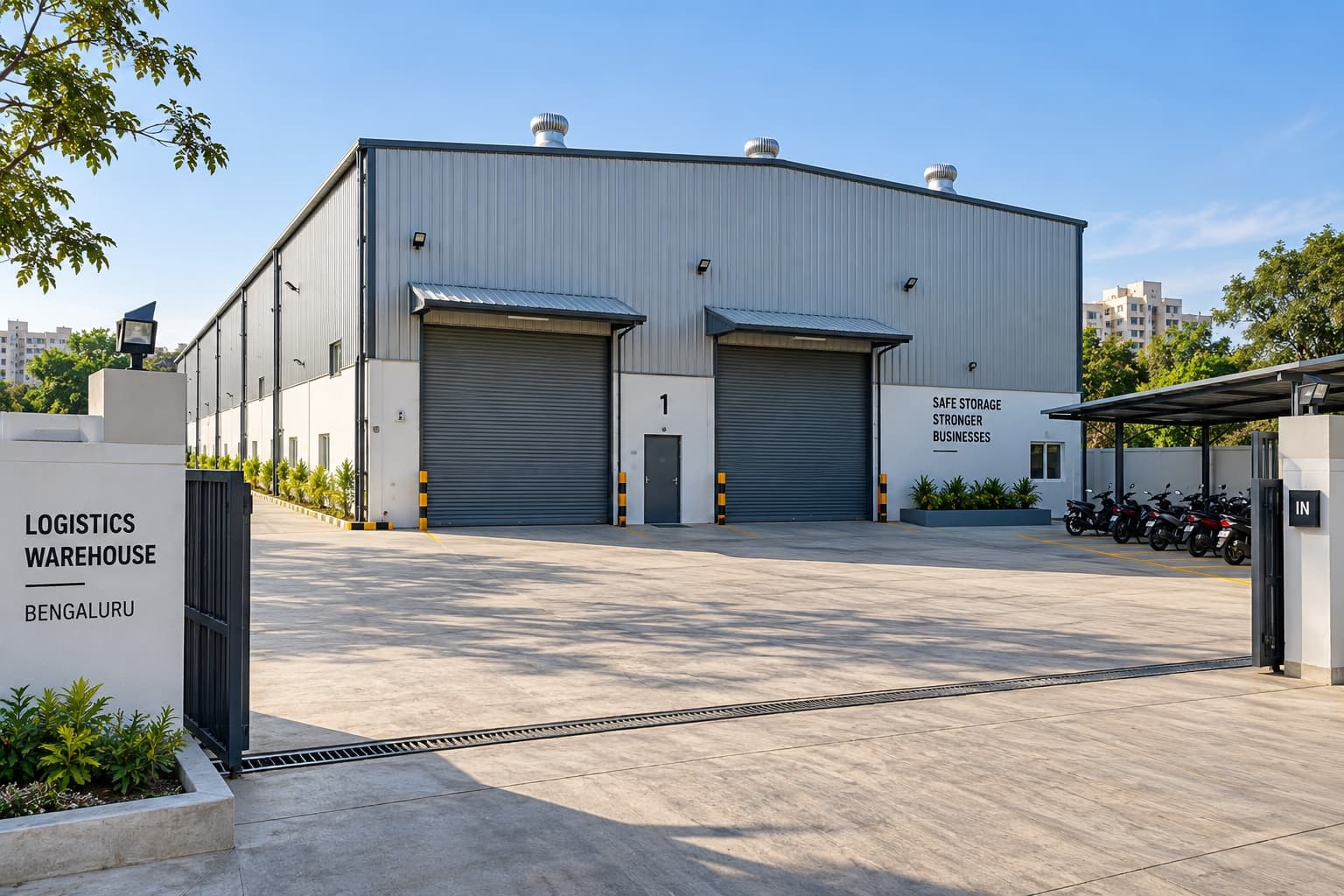
Walk through almost any residential pocket of Bangalore in the evening and you'll see it: a row of delivery bikes parked outside a shutter that, a few years ago, belonged to a godown, a furniture showroom or an empty ground-floor shop. Nothing on the front says what's inside. These are dark stores — closed-to-the-public stores that exist only to pack orders for 10-minute delivery — and they're quietly changing which buildings in the city are in demand.
In short
- Quick commerce has moved from a few hundred stores to thousands, and the race now includes Flipkart, Amazon and JioMart alongside the early players.
- Stores are getting bigger: wider ranges mean more racking, more cold storage and larger floorplates.
- Location inside dense neighbourhoods matters far more than frontage, which favours side-street godowns and older ground-floor spaces.
- The market is maturing — operators are becoming more selective about sites and terms.
From a few hundred stores to thousands
The scale of the build-out is easy to underestimate. A CLSA count from August 2026 found 3,536 dark stores across India's top ten cities — and that excludes Amazon and JioMart. Blinkit led with 969, followed by Zepto (828), Flipkart Minutes (627), Swiggy Instamart (615) and BigBasket (497). The same report found dark stores in 477 cities.
Just as telling is who is still adding stores. Flipkart Minutes, a relatively late entrant, has already overtaken Instamart on store count and pincode coverage across the top ten cities. Every new player — and every new neighbourhood an existing player wants to reach — needs its own set of buildings.
Why it has to be a store in your street
The economics are simple. A ten-minute promise leaves only a few minutes for travel, so each store serves a radius of roughly two to three kilometres. To cover a city, a brand doesn't need one large warehouse; it needs dozens of small stores, each sitting inside the area it serves. Customers never walk in, so a high-street frontage adds little. What matters is being close to enough homes to keep the store busy all day.
That flips the usual logic of commercial property. A godown on a side road behind a cluster of apartments can be worth more to an operator than a showroom on the main road.
Not just more stores — bigger ones
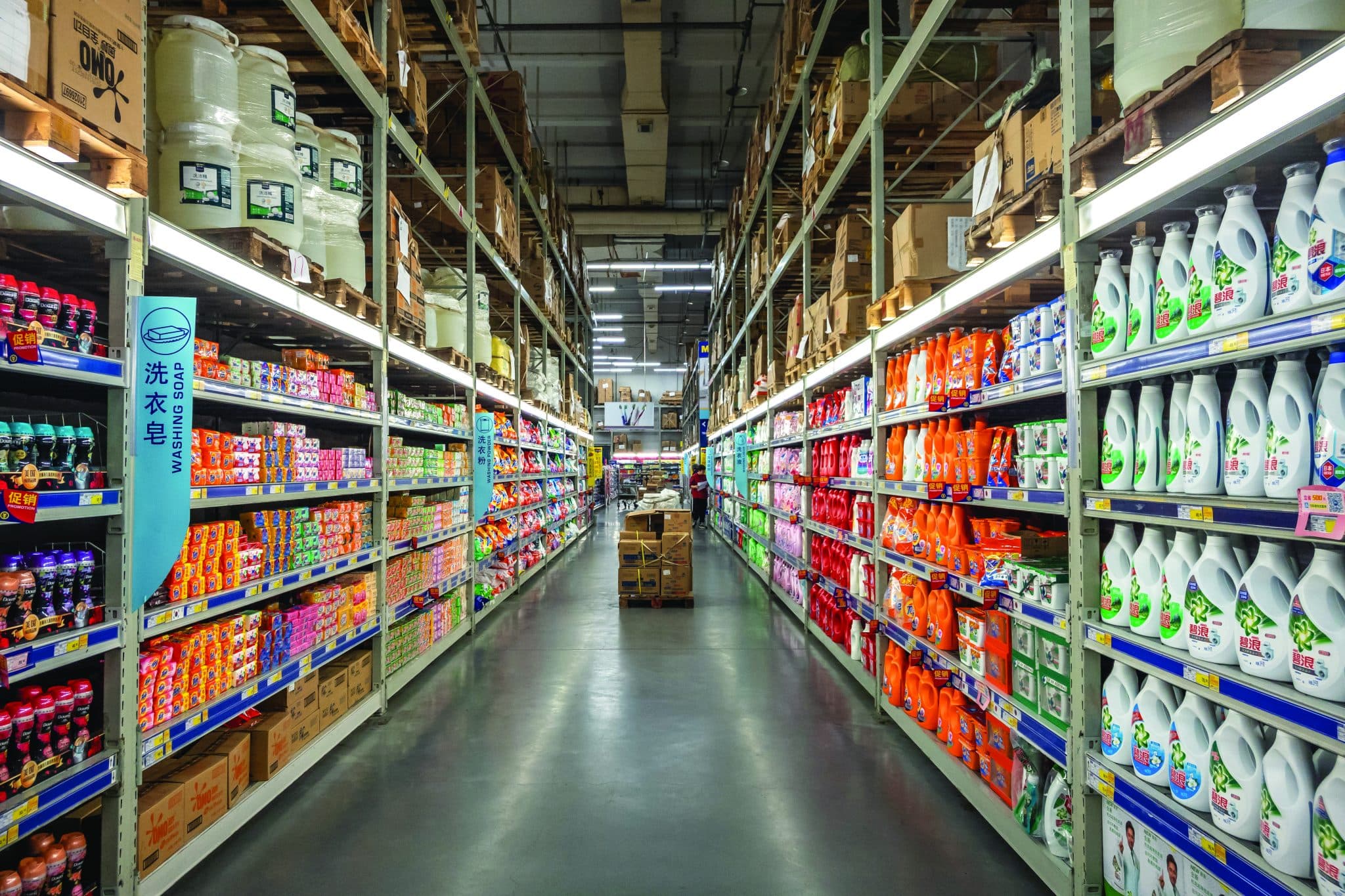
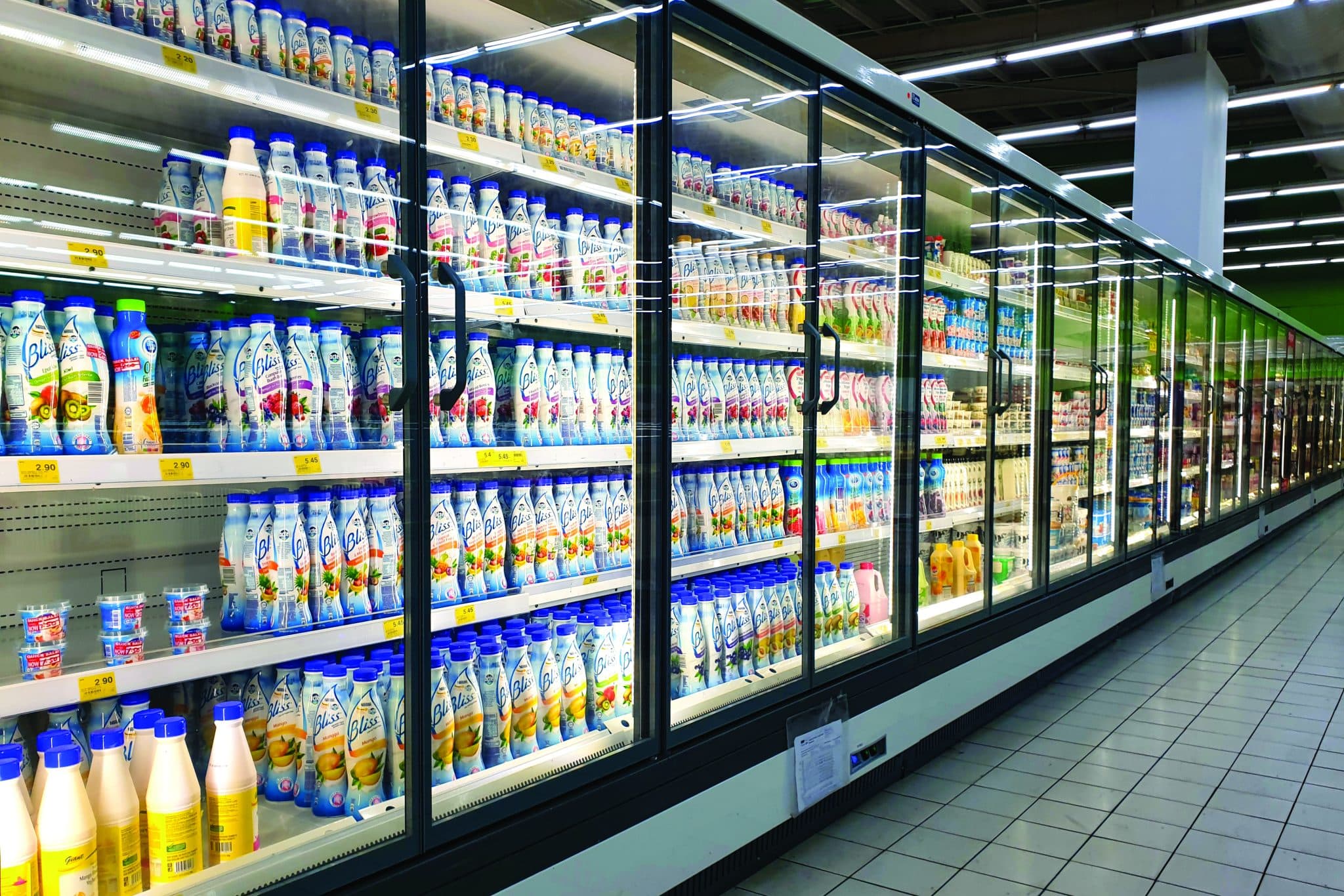
The second shift is in size. Platforms that began with groceries now sell electronics, beauty, home goods and pharmacy products. A Bank of America report cited by Outlook Business notes that the number of products per dark store is rising from around 4,000–5,000 to 10,000 and in some cases 25,000. Swiggy has talked about “mega dark stores” with a much wider range, and its rivals are investing in larger formats too.
A bigger range needs more racking, more fridges and freezers, and more space for supply vans and riders. In practice, that pushes requirements away from the small shops of the early days towards larger floorplates. Industry estimates put a typical dark store at roughly 3,000–8,000 sq ft, with the newest “mega” formats larger still. Savills India, quoted by Business Today, expects total dark store floor area in India to grow from about 13 million to 38 million sq ft.
Why Bangalore sits at the centre of it
Bangalore combines everything quick commerce needs: dense apartment communities, large tech parks and busy working households who order often. Corridors such as Whitefield, Marathahalli, Sarjapur Road, Bellandur and HSR Layout pack thousands of homes into a few square kilometres.
The city's larger warehousing market tells the same story one layer up. JLL reports that Bengaluru absorbed 9.1 million sq ft of warehousing in 2025, up 65% on the year, with e-commerce and retail accounting for more than 30% of demand. Big distribution centres on the edges of the city — led by the Hoskote–Devanahalli cluster — feed the small dark stores inside it.
What this means for property owners
For anyone who owns a godown, an older ground-floor shop or even a vacant plot near dense housing, the shift creates an opportunity that didn't exist a few years ago. Operators typically ask for a ground floor with a wide shutter, an open floor of a few thousand square feet or more, adequate power for cold storage, and room for riders to wait.
Dark store leases also tend to run longer than ordinary retail ones. Once a store is running, its delivery zone, rider network and customers are all built around that one address, so moving is costly — operators generally prefer multi-year terms with a lock-in.
The market is maturing
None of this means every empty shop will find a tenant. After years of rapid expansion, the industry is shifting its focus towards profitability and getting more out of existing stores. Operators are becoming more selective: they compare sites against exact delivery gaps, look harder at power, access and approvals, and negotiate firmly on rent and fit-out.
Owners weighing a dark store lease should think through a few questions early:
- How long is the lock-in, and what is the annual escalation?
- Who pays for the power upgrade, racking and fit-out — and who owns them at exit?
- What condition must the space be returned in?
- Will the trade licence, fire safety and neighbours' concerns about rider traffic be manageable?
The bottom line
Dark stores have turned location — not frontage — into the deciding factor for a whole class of commercial property in Bangalore. As formats grow larger and competition shifts from speed of expansion to quality of sites, well-located godowns, ground-floor spaces and plots near dense housing are likely to stay in demand.
If you own such a space and want to understand where it stands, our dark store consultants work between owners and quick-commerce brands, and you can see how the city's eastern corridors compare on our East Bengaluru page.
Sources
- Gulf News — Quick commerce expands to 477 cities as players target smaller markets (CLSA)
- Apparel Resources — Flipkart Minutes overtakes Instamart dark stores across top 10 cities
- Outlook Business — The race to cash in on quick commerce heats up
- Inc42 — Inside Swiggy Instamart’s “mega dark store” plan
- Business Today — Why start-ups are going big on dark stores (Feb 2026)
- JLL — Bengaluru logistics & industrial market, Q4 2025
- Apparel Resources — Flipkart, Amazon accelerate q-commerce expansion as rivals shift focus to profitability